

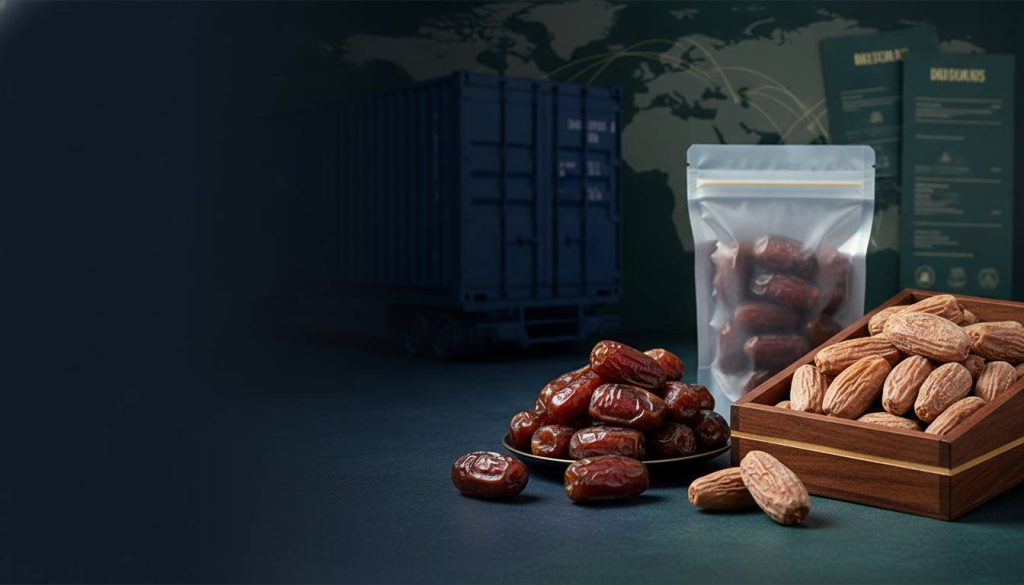
Dates are among the most valuable and widely traded agricultural products in the Middle East and North Africa. Known for their natural sweetness, nutritional value, long shelf life, and cultural importance, dates have become a popular commodity in international food markets. From premium Medjool dates to Mazafati, Piarom, Sayer, and Deglet Noor varieties, global buyers increasingly seek reliable suppliers that can deliver consistent quality, proper packaging, and efficient logistics.
For importers, distributors, wholesalers, and food manufacturers, understanding the date trade is essential. Successful importing and exporting depend not only on selecting the right variety, but also on quality control, food safety, customs documentation, packaging, shipping conditions, and the ability to meet the expectations of each target market.
Understanding the Global Demand for Dates
The demand for dates continues to grow in many regions, including Europe, Asia, North America, and neighboring Middle Eastern countries. Consumers are looking for healthier alternatives to refined sugar and processed snacks, making dates an attractive natural ingredient. They are used in retail packs, bakery products, energy bars, beverages, confectionery, date syrup, date paste, and other food applications.
Demand also rises during religious and seasonal occasions, particularly Ramadan, when dates are an essential part of daily meals for millions of people. However, dates are no longer limited to seasonal consumption. Their use as a natural sweetener and nutritious snack has created year-round opportunities for importers and exporters.
Choosing the Right Date Variety
Every date variety has its own characteristics, taste profile, texture, moisture level, shelf life, and market position. Choosing the right product is one of the most important steps in the import and export process.
For example, Mazafati dates are known for their soft texture, dark color, and rich caramel-like taste. They are especially popular among consumers who prefer fresh, juicy dates. Since Mazafati dates usually have a higher moisture content, they require proper cold storage and careful transportation.
Piarom dates, often considered a premium variety, have a semi-dry texture, thin skin, and naturally sweet flavor. Their elegant appearance and longer shelf life make them attractive for premium retail markets and gift packaging.
Sayer dates are commonly used in bulk trade and food processing due to their high sugar content, semi-dry texture, and cost-effective pricing. They can be supplied with or without pits, depending on the buyer’s needs.
Quality Control and Food Safety Requirements
Quality assurance is a key factor in international date trading. Buyers expect dates to be clean, properly sorted, free from foreign materials, and packed according to agreed standards. Important quality factors include size, color, moisture level, texture, maturity, pest control, and the percentage of damaged or defective fruit.
Exporters should also ensure that their products comply with food safety requirements in the destination country. Depending on the market, buyers may request documents such as a certificate of origin, phytosanitary certificate, health certificate, packing list, commercial invoice, and laboratory test reports.
Proper sorting and processing are equally important. Dates may be supplied as whole dates, pitted dates, pressed dates, chopped dates, date paste, date syrup, or industrial-grade dates for food production. Each format requires suitable handling and packaging.
Packaging and Transportation
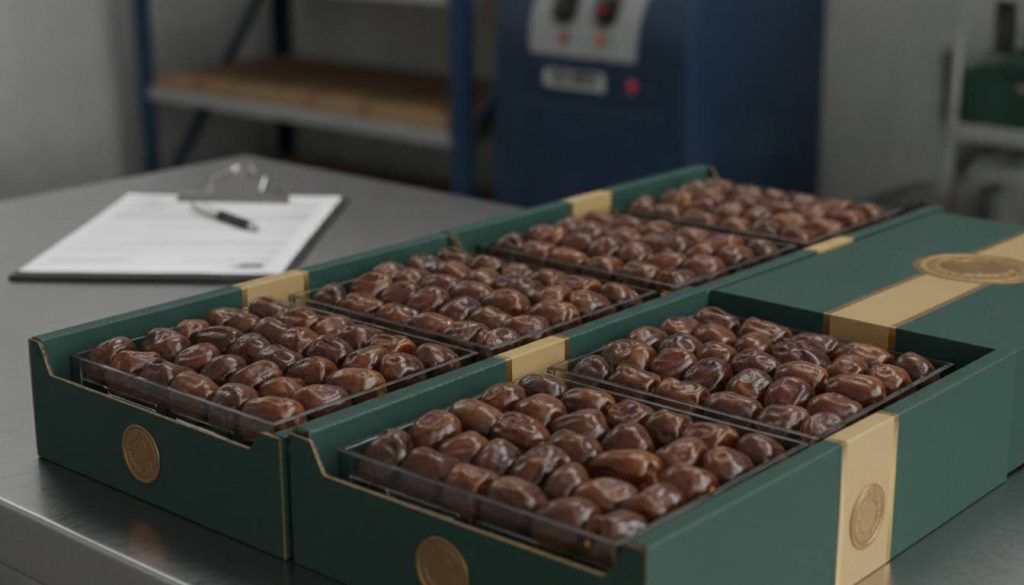
Packaging has a direct impact on product quality, brand perception, and customer satisfaction. Retail customers may prefer small, attractive packages, while wholesalers usually require bulk cartons or larger food-grade containers. Packaging should protect dates from moisture loss, contamination, physical damage, and temperature changes during transit.
For soft and high-moisture dates, cold-chain transportation may be necessary. Semi-dry and dry varieties are generally easier to transport and store, but they still need protection from excessive heat and humidity. Exporters should select the appropriate shipping method based on the destination, order volume, product type, and required delivery time.
Building Long-Term Trade Relationships
The date business is built on trust, consistency, and clear communication. Importers need suppliers who can provide stable quality, accurate documentation, competitive prices, and reliable shipment schedules. Exporters, on the other hand, benefit from understanding the specific preferences of each market, including packaging design, labeling language, quality grades, and local regulations.
At Dyar Food, we focus on connecting international buyers with carefully selected food commodities and high-quality date products. By combining product knowledge, export experience, quality control, and professional logistics coordination, we help our partners develop reliable and sustainable trade relationships in global markets.