

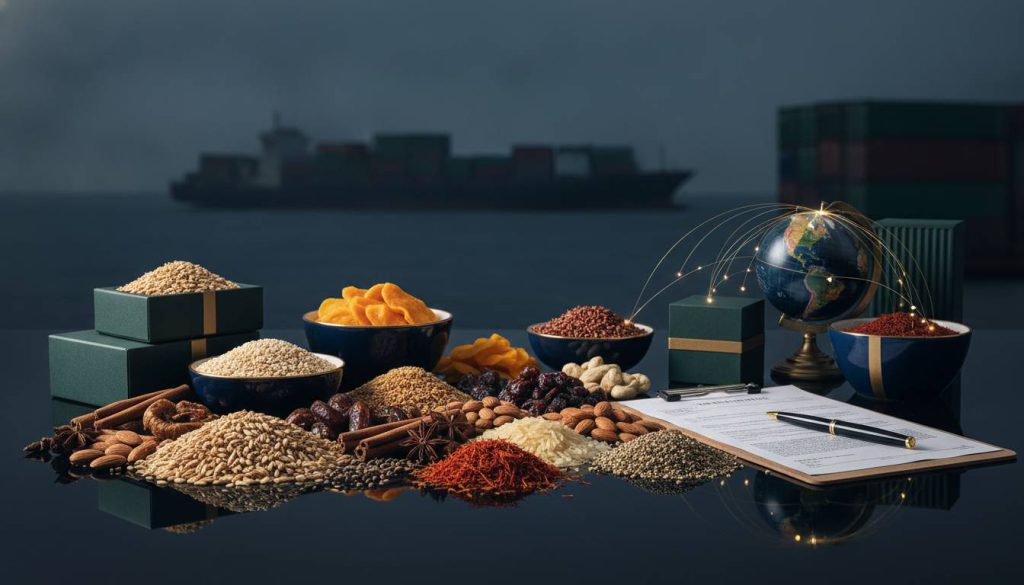
Food commodity trade has become one of the most dynamic sectors in the global economy. As consumer demand grows, supply chains become more interconnected, and quality expectations continue to rise, businesses involved in importing and exporting food products must adapt quickly to changing market conditions. From grains and oils to dried fruits, nuts, and specialty products like dates, the movement of food commodities across borders plays a critical role in food security, business growth, and international commerce.
In today’s market, food commodities are no longer simply bought and sold based on price alone. Buyers now evaluate product quality, consistency, origin, certifications, packaging, logistics, traceability, and sustainability. This shift has created new opportunities for exporters who can provide reliable supply and premium-grade products, while also raising the standard for importers who must carefully select partners and manage risk.
Why Food Commodity Trade Matters
Food commodities are essential inputs for retailers, wholesalers, manufacturers, restaurants, and food service providers around the world. Every day, large volumes of products such as wheat, rice, sugar, edible oils, coffee, cocoa, spices, dried fruits, and pulses move through international channels. These products support both everyday consumption and industrial food production.
Because many countries are unable to produce enough of certain commodities locally, international trade helps balance supply and demand. It also gives buyers access to better pricing, seasonal availability, and product variety. In this environment, companies that understand market trends and sourcing strategy gain a significant competitive advantage.
Key Factors Driving Growth
Several factors are shaping the growth of food commodity trade. Population growth, urbanization, changing diets, and the expansion of processed food industries are increasing demand worldwide. At the same time, climate conditions, logistics disruptions, and geopolitical changes can affect availability and pricing. This means that trade professionals must stay informed and build flexible supply networks.
Another major factor is consumer preference for quality and transparency. Modern buyers often ask where products come from, how they are processed, and whether they meet international food safety standards. As a result, successful exporters must invest in quality assurance, documentation, and professional packaging.
The Role of Quality and Compliance
In food commodity trade, quality control is not optional. Products must meet the specifications agreed upon by the buyer and the supplier. Depending on the destination market, this may include grading, moisture control, shelf-life management, contaminant testing, and compliance with import regulations.
Documentation is equally important. Certificates of origin, phytosanitary papers, health certificates, invoices, and packing lists are often required to clear customs and support safe trade. Companies that maintain strong compliance systems can reduce delays, avoid penalties, and build trust with international partners.
Packaging, Logistics, and Market Access
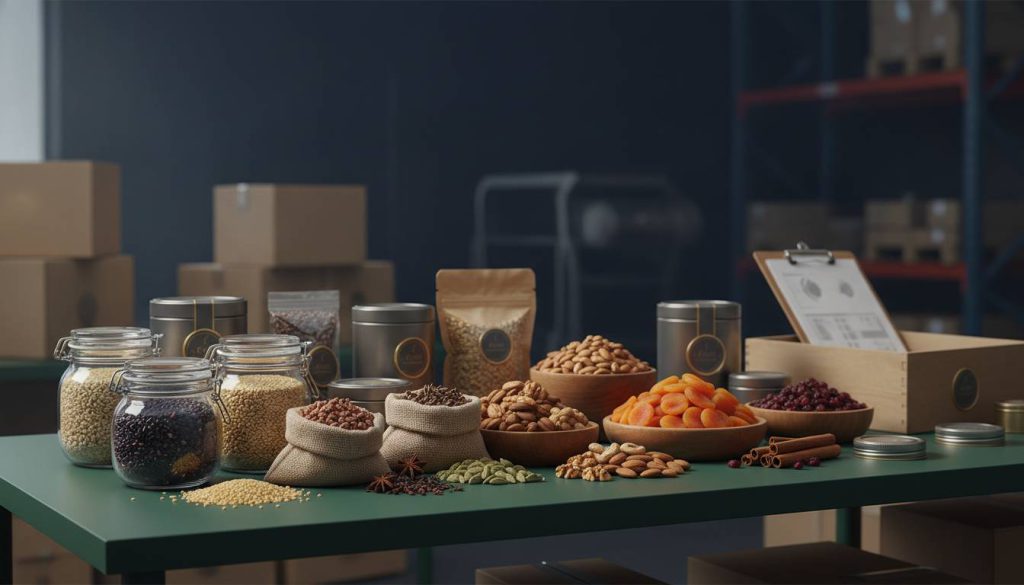
Packaging has a direct impact on product protection and brand perception. Whether commodities are shipped in bulk sacks, cartons, jars, or consumer-ready packs, the packaging must preserve quality throughout transport. Moisture, heat, contamination, and physical damage can all reduce product value if packaging is not designed properly.
Logistics also plays a central role. Reliable transport, temperature control when needed, and efficient customs handling all contribute to better delivery performance. Exporters who can manage these operations effectively are more likely to secure repeat business and long-term contracts.
Opportunities for Growth
For businesses in the food sector, commodity trade offers opportunities in both established and emerging markets. Premium products, organic goods, specialty ingredients, and origin-based food items are increasingly in demand. This creates space for companies that can offer differentiated products with clear sourcing stories and dependable service.
At Dyar Food, we believe successful trade is built on product knowledge, market insight, and operational reliability. By focusing on quality, communication, and international standards, businesses can strengthen their position in global markets and create sustainable growth in the food commodity sector.