

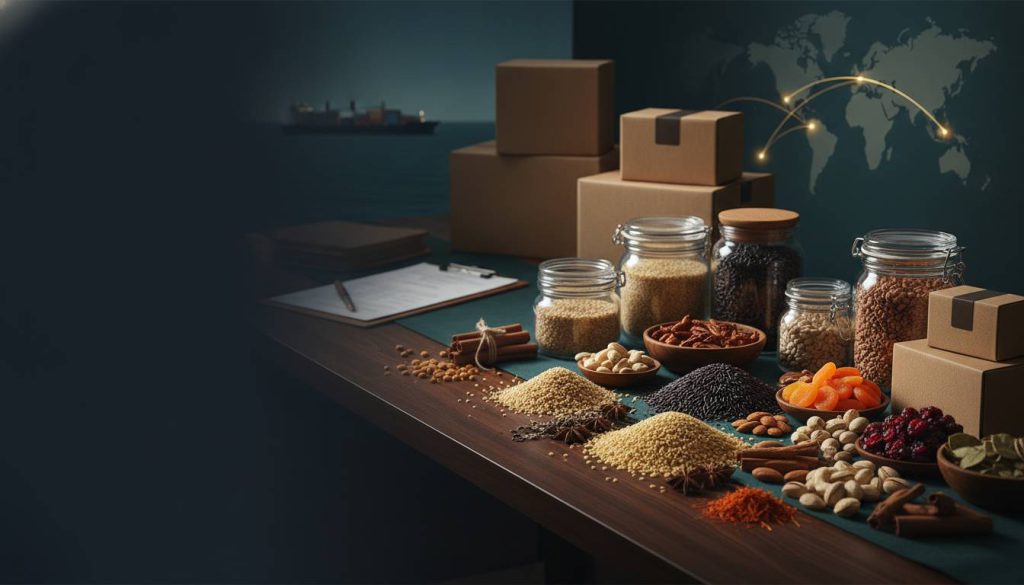
In the world of international food trade, selecting the right supplier is perhaps the most critical decision an importer or wholesaler can make. Unlike industrial goods, food products are directly linked to human health. Therefore, even the smallest oversight in quality, packaging, or supply chain logistics can damage not only your financial bottom line but also your brand reputation and consumer safety.
But in a vast global market, how do you find partners who guarantee not just quality, but also stability and commitment? In this article, we explore five key criteria for identifying a reliable food supplier.
1. Credentials and International Certifications
The first step is verifying legitimacy. A professional supplier should hold internationally recognized standards such as ISO, HACCP, phytosanitary certificates, and, where applicable, organic or Halal certifications. These credentials demonstrate that the supplier has implemented rigorous quality management systems and operates under legal regulatory oversight.
2. Sampling and Quality Control Processes
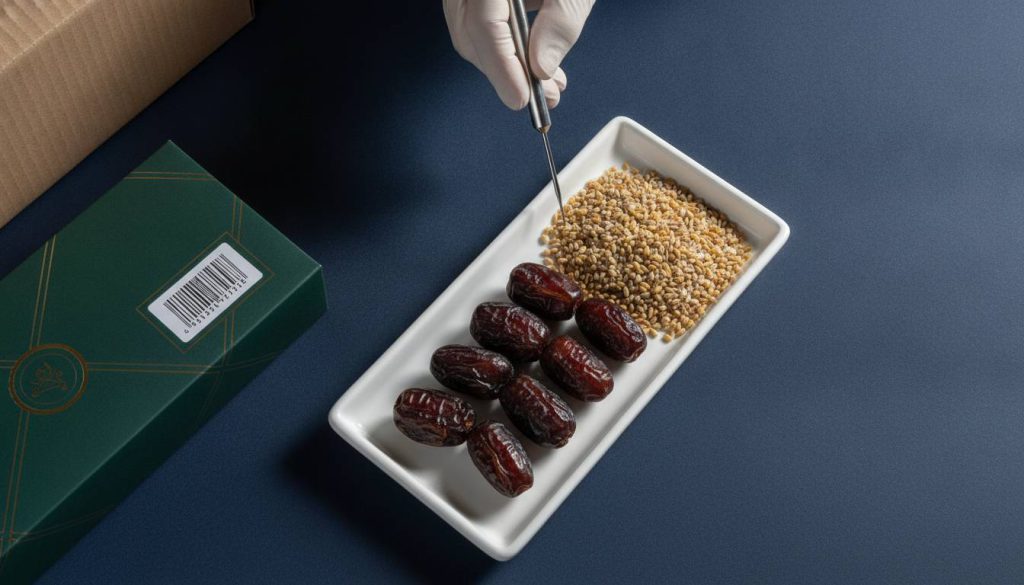
Never commit to a bulk order without first receiving and verifying product samples. A reliable supplier will never be hesitant to provide samples. When reviewing them, focus on consistency. Does the sample match the final shipment? Does the supplier offer pre-shipment lab tests? Answering these questions early determines the true caliber of your potential partner.
3. Transparency in Communication and Documentation
International trade is built on documentation. A supplier who is slow to respond to emails or struggles to provide clear customs documentation (such as Certificates of Origin and commercial invoices) is a red flag. A good partner streamlines the process for you and provides honest, proactive updates regarding potential challenges, such as seasonal fluctuations or logistics hurdles.
4. Logistics Capability and Supply Chain Management
Product quality is only one part of the equation. The other is the ability to transport goods from origin to destination while preserving that quality. Your supplier must understand how to package goods to withstand humidity, temperature shifts, and transit stress. Do they have access to reliable shipping networks? Does their cold-chain management (especially for perishables like dates) align with your market’s standards?
5. Reputation and Trade References
Before signing large contracts, verify the supplier’s track record. Have they successfully exported to international markets similar to yours? Inquiring with other clients or reviewing their trade history provides invaluable insights. Suppliers who have navigated strict markets (such as the EU or North America) are generally better equipped to meet higher quality standards.
Why Choosing the Right Partner is Only the Beginning
Selecting a supplier is the start of a relationship, not the end. Even the best suppliers may face unforeseen challenges. The key is “relationship management.” At Dyar Food, we believe that successful food importation is the result of close collaboration between importer and exporter. Our goal is not just to sell a product, but to build a transparent, dependable supply chain for our partners around the world.